What Students and Parents Need to Know?
A few years ago, “AI in education” mostly meant spell-check and calculator apps. Today it means personalized lesson plans, instant feedback on essays, and tutoring systems that adapt to how a specific student think. If you’re wondering what the future of AI actually looks like inside classrooms — and whether it’s something to be excited about or cautious of — this guide breaks it down in plain terms.
You’ll learn how AI is already changing the way students learn, what’s realistically coming next, where platforms like KIPS Virtual fit into this shift, and what pain points parents and educators commonly worry about.
How AI Is Already Changing Classrooms
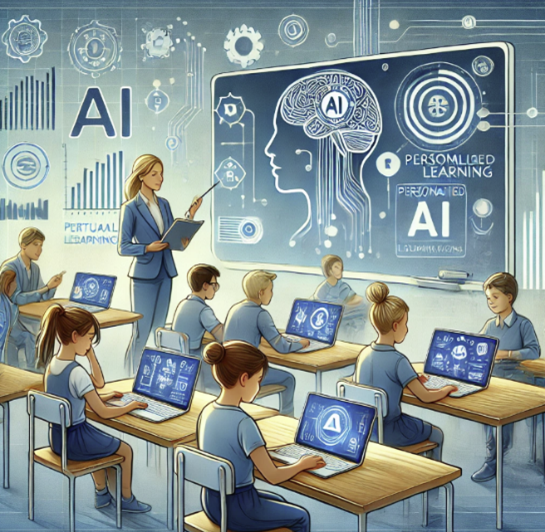
Before looking ahead, it helps to see where things stand now. AI in education isn’t a future concept — it’s already embedded in tools many students use daily.
Adaptive learning platforms adjust the difficulty of questions based on a student’s real-time performance, rather than pushing everyone through the same fixed pace. Automated grading tools give instant feedback on quizzes and even written responses, cutting down the wait time that used to leave students unsure where they stood for days. Chatbot tutors answer subject-specific questions at 11 p.m. when no teacher is available, filling a gap that used to mean waiting until the next school day.
None of this replaces teachers. It removes repetitive tasks so teachers can spend more time on the things AI genuinely can’t do — building relationships, reading a student’s frustration, and adjusting explanations on the fly.
Personalized Learning: The Biggest Shift in AI in Education
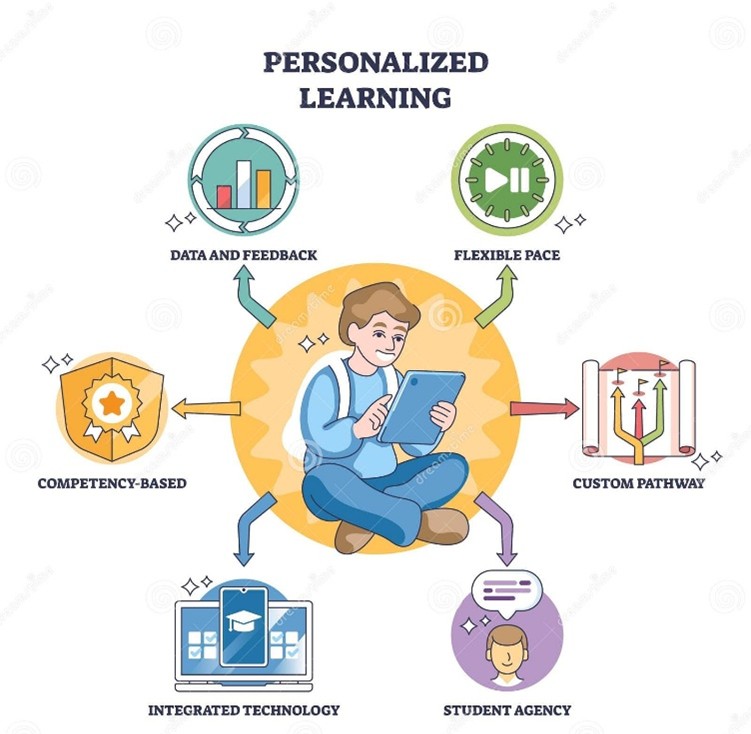
What does personalized learning with AI actually mean? It means a system tracks how a student answers questions — what they get wrong, how long they take, which explanations click — and adjusts the material accordingly, instead of giving every student the exact same worksheet.
This matters because classrooms have always faced the same tension: a lesson paced for the average student is too slow for some and too fast for others. AI doesn’t eliminate that gap, but it narrows it. A student struggling with quadratic equations can get extra practice problems targeted at that specific weak point, while a student whose already confident moves ahead instead of sitting through repetition they don’t need.
Real-World Example: Adaptive Practice in Test Prep
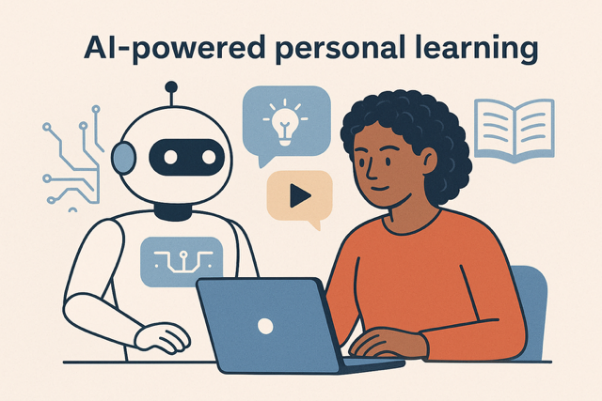
Platforms preparing students for competitive exams increasingly use this approach. KIPS Virtual, for instance, incorporates performance tracking so students preparing for exams like the ECAT can see exactly which chapters need more attention rather than guessing. This kind of targeted feedback loop is a practical, present-day example of what “AI-assisted learning” looks like — not a distant concept, but something already shaping how students prepare for high-stakes exams.
Where AI in Education Is Headed Next
Smarter, More Human-Like Tutoring
Early AI tutors were rigid — if a student’s question wasn’t phrased a certain way, the system simply didn’t understand it. Newer systems handle natural language far better, meaning a student can ask a genuinely confused, poorly worded question and still get a useful answer. Expect this gap between “talking to software” and “talking to a patient tutor” to keep narrowing.
Early Identification of Learning Gaps
Rather than discovering a student is behind after a failed exam, AI systems are getting better at flagging struggling patterns early — inconsistent performance on a specific concept over several sessions, for example — so teachers and parents can step in before it becomes a bigger problem.
AI-Assisted Content Creation for Teachers
Teachers are starting to use AI tools to draft quiz questions, generate practice worksheets, or summarize long reading material into study-friendly formats. This doesn’t replace the teacher’s judgment about what students need — it just cuts down the hours spent on repetitive prep work.
Common Concerns About AI in Education (and Honest Answers)
Will AI replace teachers?
No. AI is good at repetitive, data-driven tasks — grading, practice generation, pacing. It’s not good at mentorship, emotional support, or the judgment calls a teacher makes when a student is quietly struggling. The realistic future is AI handling the repetitive load so teachers can focus on the parts of teaching that actually require a human.
Does AI in education work for every subject equally well?
Not quite. Subjects with clear right-or-wrong answers — Math, Physics, grammar — are easier for AI to assess and personalize. Subjects requiring nuanced judgment, like essay analysis or creative writing, are improving but still benefit heavily from human feedback.
Is student data safe with AI-based learning platforms?
This is a fair concern parents raise often. Reputable platforms should be transparent about what data they collect and how it’s used — a detail worth checking before enrolling in any AI-based learning tool, rather than assuming all platforms handle this the same way.
How Students Can Use AI in Education Responsibly
Using AI tools well isn’t about relying on them for answers — it’s about using them to identify what needs more work. A student who uses an adaptive platform to spot weak chapters, then studies those chapters with focused effort, gets far more value than one who treats the tool as a shortcut to skip understanding altogether.
Related reading: if you’re building a broader study routine, a guide on studying smart versus studying hard covers techniques that pair well with AI-assisted practice tools.
Frequently Asked Questions
AI is currently used for adaptive practice questions, automated grading, performance tracking, and chatbot-based tutoring support. Platforms like KIPS Virtual apply similar principles to track student progress in exam preparation.
How is AI currently used in education?
AI is currently used for adaptive practice questions, automated grading, performance tracking, and chatbot-based tutoring support. Platforms like KIPS Virtual apply similar principles to track student progress in exam preparation.
Final Thoughts
The future of AI in education isn’t about robots replacing classrooms — it’s about smarter, more personalized support that helps students identify exactly where they need to focus. Tools like adaptive practice platforms and structured programs such as KIPS Virtual already show what this looks like in practice: less guesswork, more targeted preparation.
If you’re exploring how AI-assisted tools could fit into your own study routine or your child’s exam preparation, it’s worth reviewing a platform’s approach to personalization and data handling before committing — and pairing any tool with consistent, active study habits for the best results.