
This article breaks down what studying smart really means, why hustle alone doesn’t guarantee results, and how you can build a routine that gets you better grades without sacrificing your evenings, your sleep, or your sanity. You’ll walk away with specific techniques you can start using today, along with a look at how tools like KIPS Virtual fit into a smarter study routine.
Why “Study Hard” Alone Doesn’t Work
There’s a common belief that more hours automatically mean better results. If you’re not scoring well, just study longer, right? In practice, this often backfires.
The brain isn’t built for marathon focus sessions. Research on attention spans consistently shows that concentration drops sharply after roughly 25 to 45 minutes of continuous work, depending on the task and the person. Past that point, you’re technically “studying,” but very little of it is actually sticking. You re-read the same paragraph three times without absorbing it, or you solve the same type of Maths problem repeatedly without building real speed.

What Does It Mean to Study Smart?
Studying smart means aligning your effort with how memory and understanding actually work, instead of just putting in hours and hoping something sticks. It’s not about doing less — it’s about making every study session count.
In practice, this looks like:
- Prioritizing difficult or high-weight topics instead of spending equal time on everything
- Testing yourself instead of just re-reading notes
- Studying in focused, timed blocks with real breaks in between
- Reviewing material at increasing intervals instead of cramming once

None of these ideas are complicated. What makes them powerful is using them consistently, rather than occasionally when you remember to.
Core Study Smart Techniques That Actually Work
Active Recall Beats Passive Reading
Highlighting a textbook or rereading notes feels productive, but it’s one of the least effective ways to learn. Active recall — closing the book and trying to write or say what you remember — forces your brain to retrieve information, which is what actually strengthens memory.
A simple way to apply this: after finishing a chapter, put the book away and write down everything you remember from it. Then check what you missed. That gap tells you exactly what to revise next, instead of blindly rereading everything.
Spaced Repetition Instead of Cramming
Cramming the night before an exam might get you through a quiz, but it rarely survives past the test itself. Spaced repetition — reviewing material a day later, then a few days after that, then a week later — moves information into long-term memory far more reliably.
If you’re preparing for a board exam or an entrance test, this means revisiting earlier chapters briefly even while you’re learning new ones, rather than treating revision as something you’ll “get to later.”
The Pomodoro Method for Focused Study Blocks
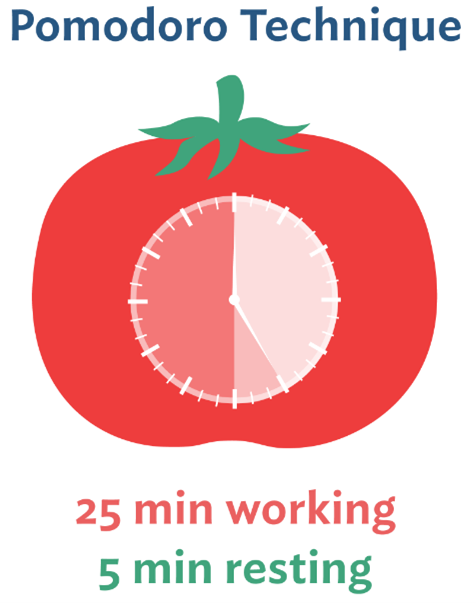
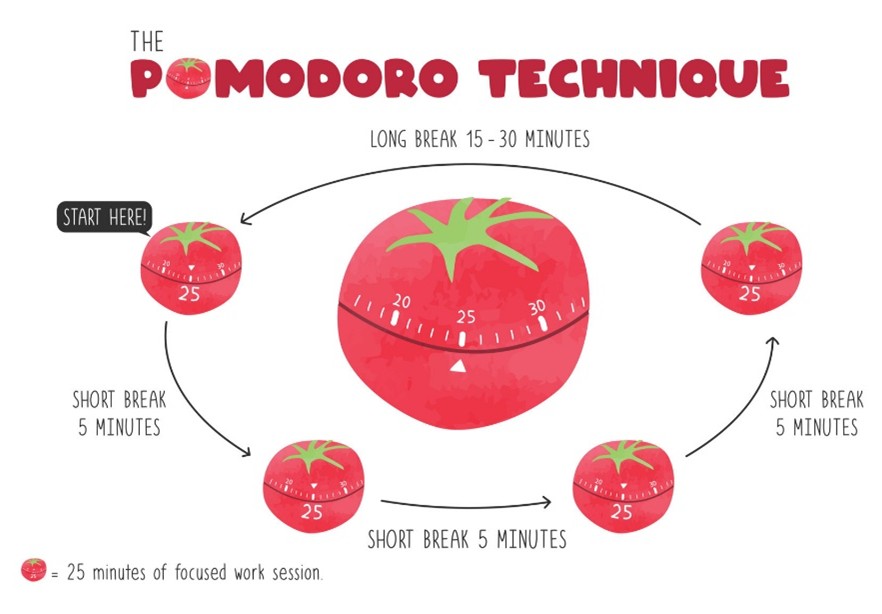
Instead of sitting down for a vague three-hour session, try working in focused 25-minute blocks with a 5-minute break in between. After four blocks, take a longer 20-to-30-minute break. This structure works because it matches how attention naturally dips and recovers, and it makes starting a study session feel far less overwhelming than “I need to study for three hours.”
Prioritize by Impact, Not Comfort
Most students naturally gravitate toward topics they already understand, because it feels productive. Studying smart means doing the opposite: identify your weakest areas and high-weight topics first, when your energy and focus are freshest, usually earlier in your session.
Using Technology and Structured Platforms to Study Smarter
Studying smart doesn’t mean studying alone with no support. Structured platforms can remove a lot of the guesswork around what to study and when.
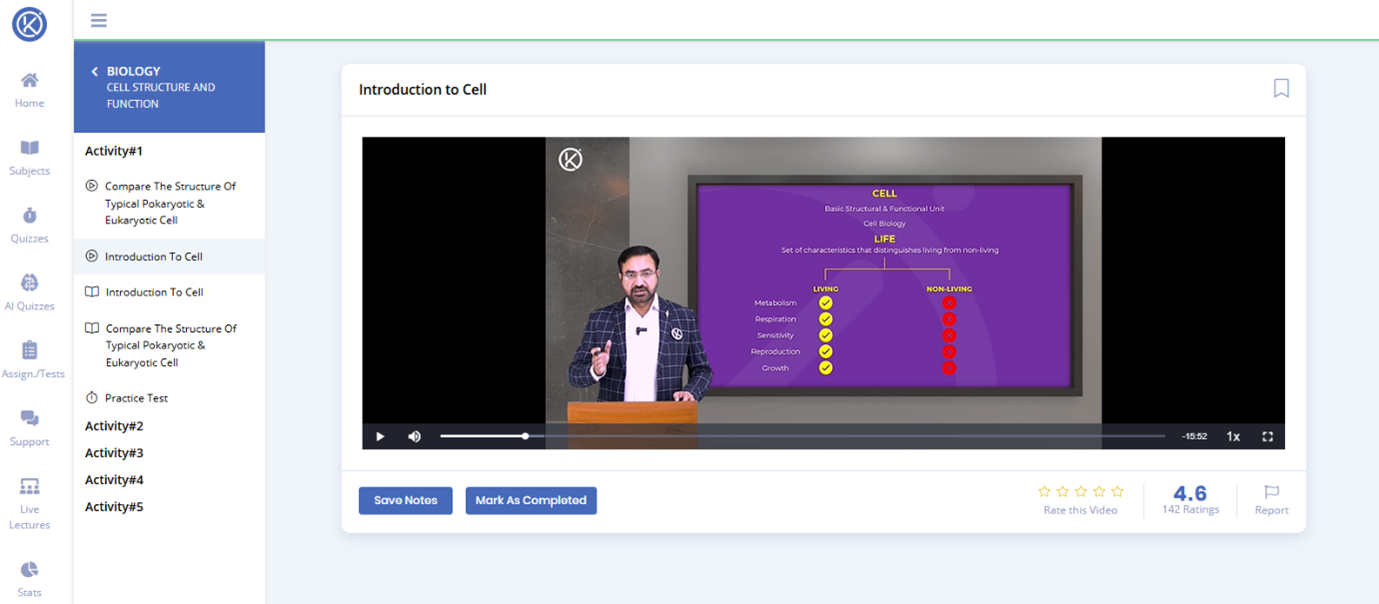
For example, students preparing for competitive exams like the ECAT, MDCAT often use platforms such as KIPS Virtual, which combines recorded lectures with chapter-wise practice tests and progress tracking. The advantage isn’t just convenience — it’s that a structured curriculum naturally forces the kind of spaced, tested revision that’s hard to maintain on your own with a stack of loose notes.
That said, a platform is only a tool. If you watch lectures passively without testing yourself afterward, you’re back to the same low-retention habits as just rereading a textbook. The technique matters more than the tool.
Common Study Pain Points (and How to Fix Them)
“I study for hours but forget everything by exam day.” This is almost always a sign of passive studying — rereading and highlighting instead of active recall. Start testing yourself after every study session, even briefly.
“I get distracted every few minutes.” Long, unstructured sessions make distraction more likely. Shorter, timed blocks with a clear stopping point make it easier to stay focused, because your brain knows a break is coming soon.
“I don’t know what to prioritize.” List your subjects or chapters and rank them by both difficulty and exam weight. Study the hardest, highest-weight topics first, when you’re least tired.
“I feel like I’m always behind.” This usually comes from cramming instead of spacing out revision. A simple weekly review cycle — even 20 minutes per subject — prevents the pile-up that leads to last-minute panic.
Frequently Asked Questions
What is the difference between studying smart and studying hard? Studying hard focuses on the number of hours spent, while studying smart focuses on using techniques — like active recall and spaced repetition — that actually improve memory and understanding within the time you have. You can study smart and still work hard; the two aren’t opposites, but hours alone don’t guarantee results.
How many hours should I study per day to study smart? There’s no universal number, since it depends on your workload and exam timeline. What matters more than total hours is the quality of each session — focused blocks with real breaks and active testing tend to outperform long, unstructured hours.
Can studying smart replace hard work entirely? No. Studying smart makes your effort more effective, but it doesn’t eliminate the need for consistent practice, especially for subjects like Maths and Physics that require repeated problem-solving to build speed and accuracy.
Do online platforms like KIPS Virtual actually help students study smart? They can, mainly by providing structure — chapter-wise tests and lecture pacing that naturally build in the spaced revision students often skip on their own. Results still depend on whether the student actively engages with practice tests rather than passively watching lectures.
What’s the easiest smart study technique to start with? Active recall is usually the easiest starting point. After any study session, close your notes and try to write down what you remember. It requires no special tools and immediately shows you what needs more review.
Final Thoughts: Build a Routine, Not Just a Habit of Hours
Studying smart isn’t about finding a shortcut — it’s about spending your time on techniques that actually build memory and understanding, instead of just logging hours and hoping for the best. Start small: pick one technique, like active recall or timed study blocks, and use it consistently for a week before adding another.
If you’re preparing for a competitive exam and want a more structured way to apply these techniques, it’s worth exploring a platform like KIPS Virtual or speaking with an academic advisor who can help map a study plan to your specific subjects and timeline.